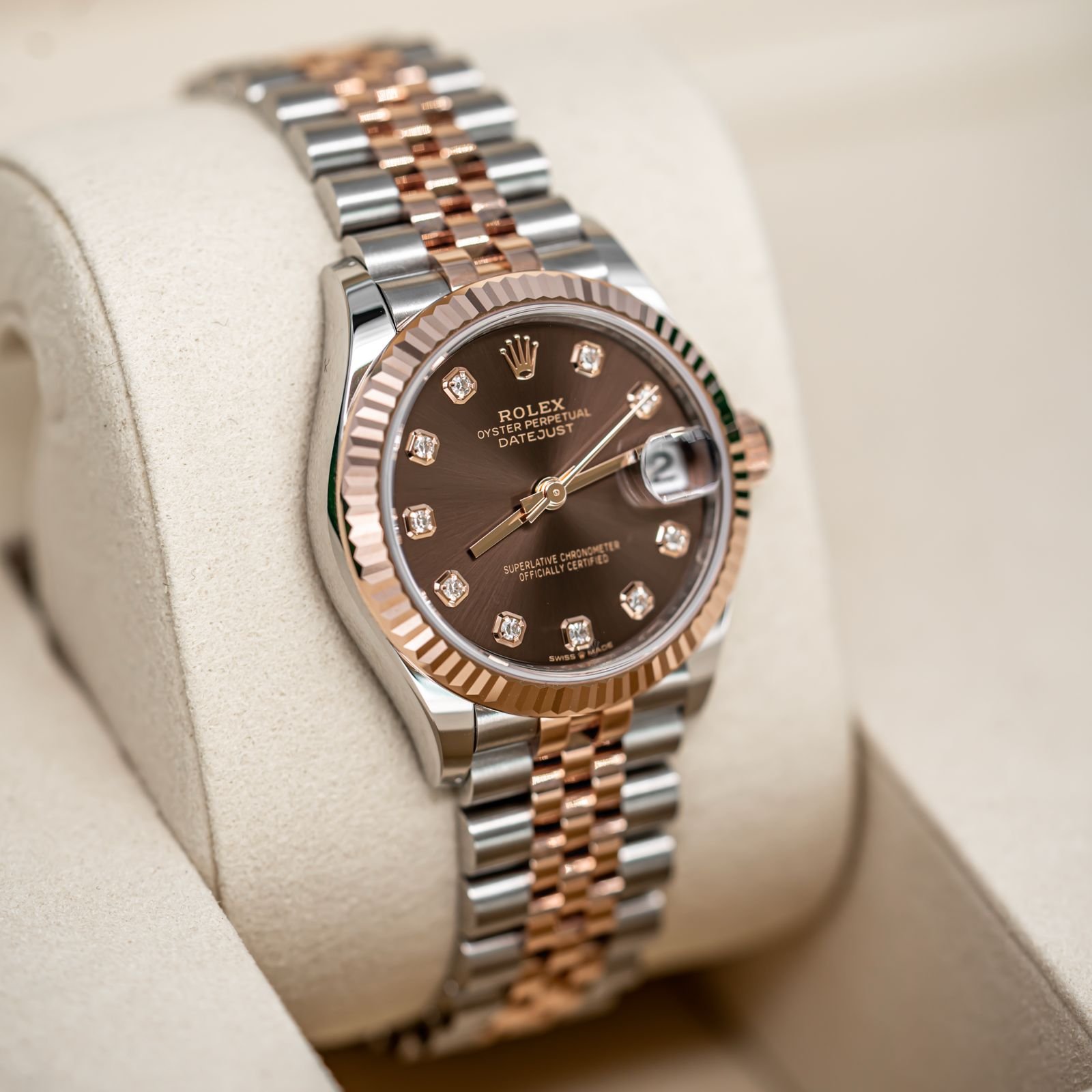
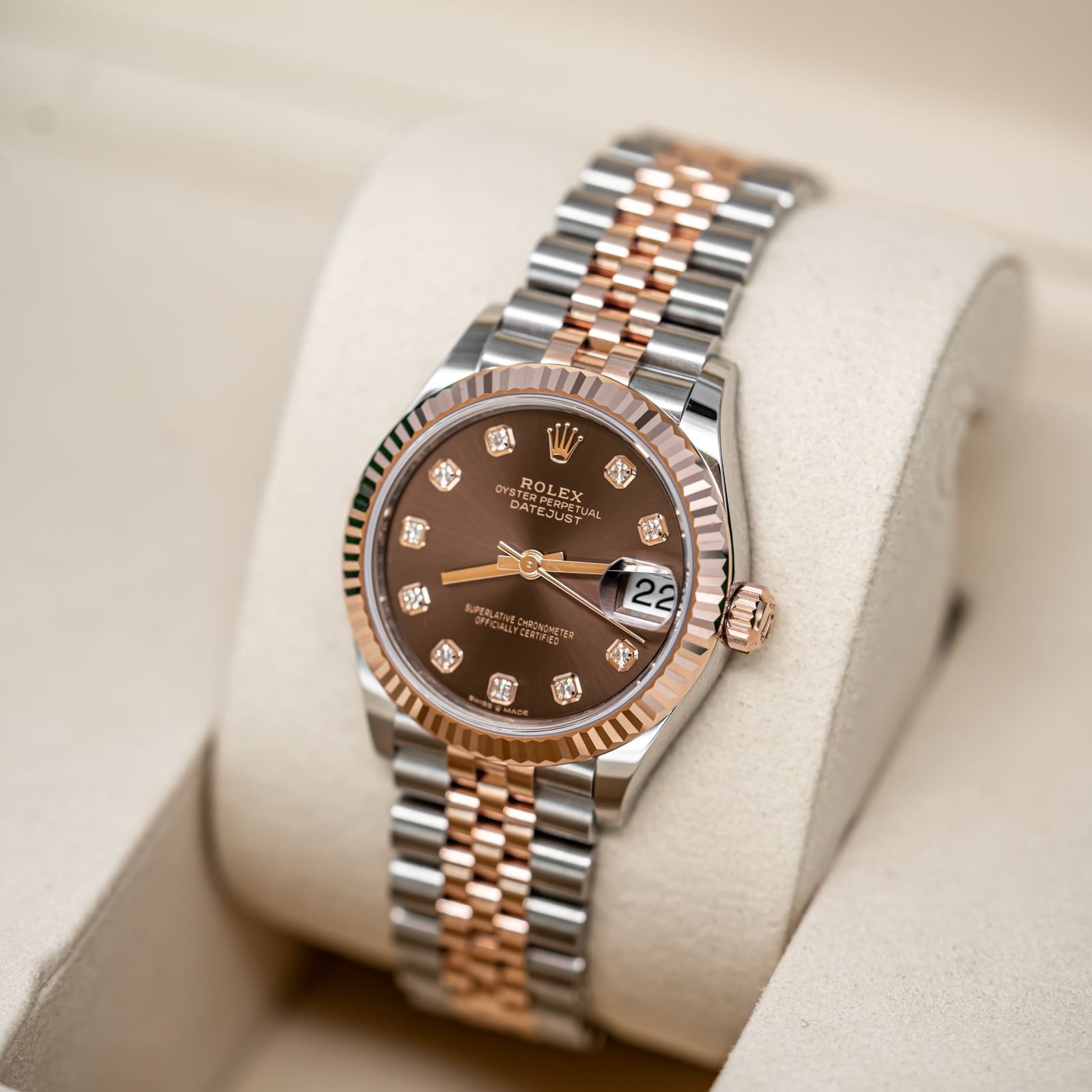
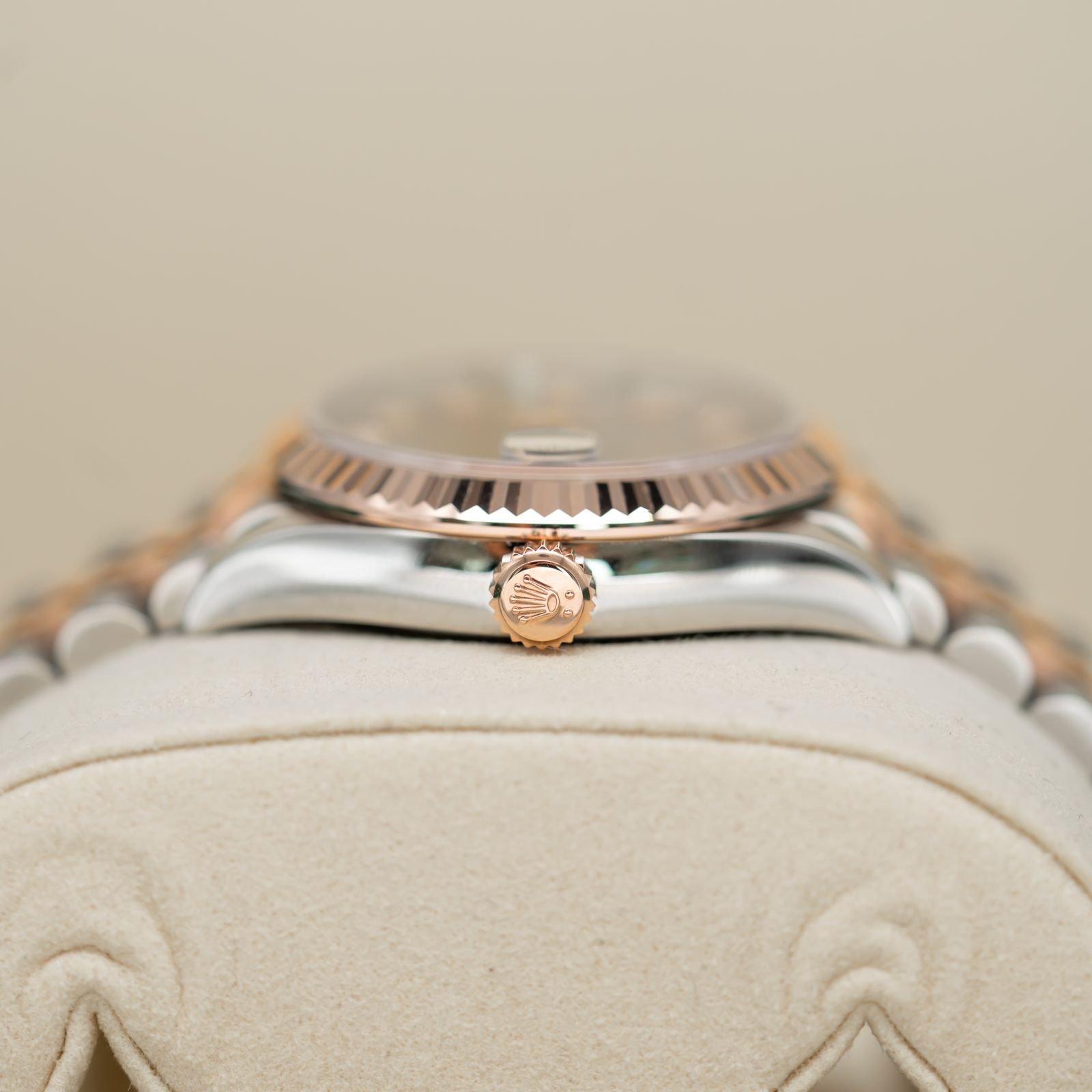
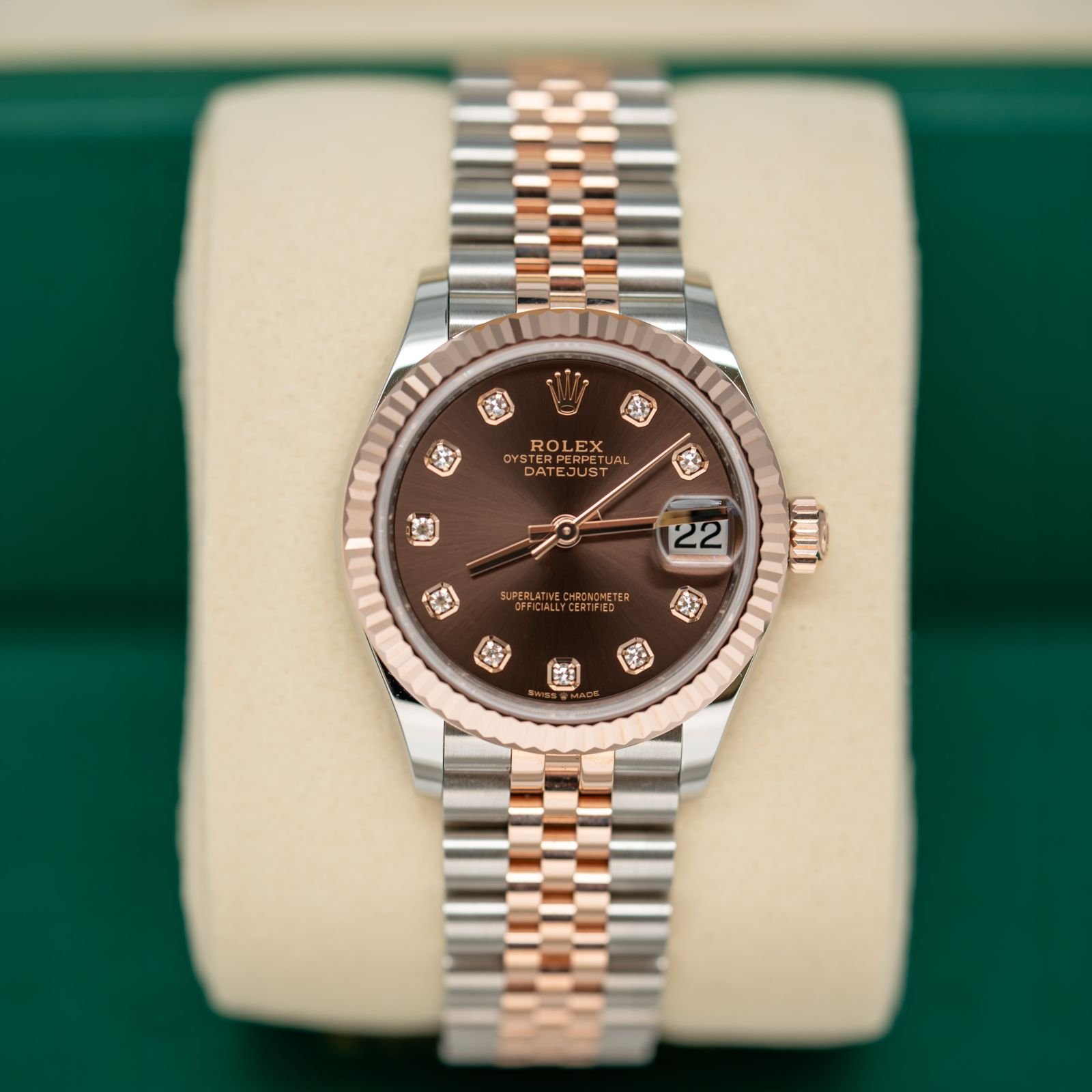
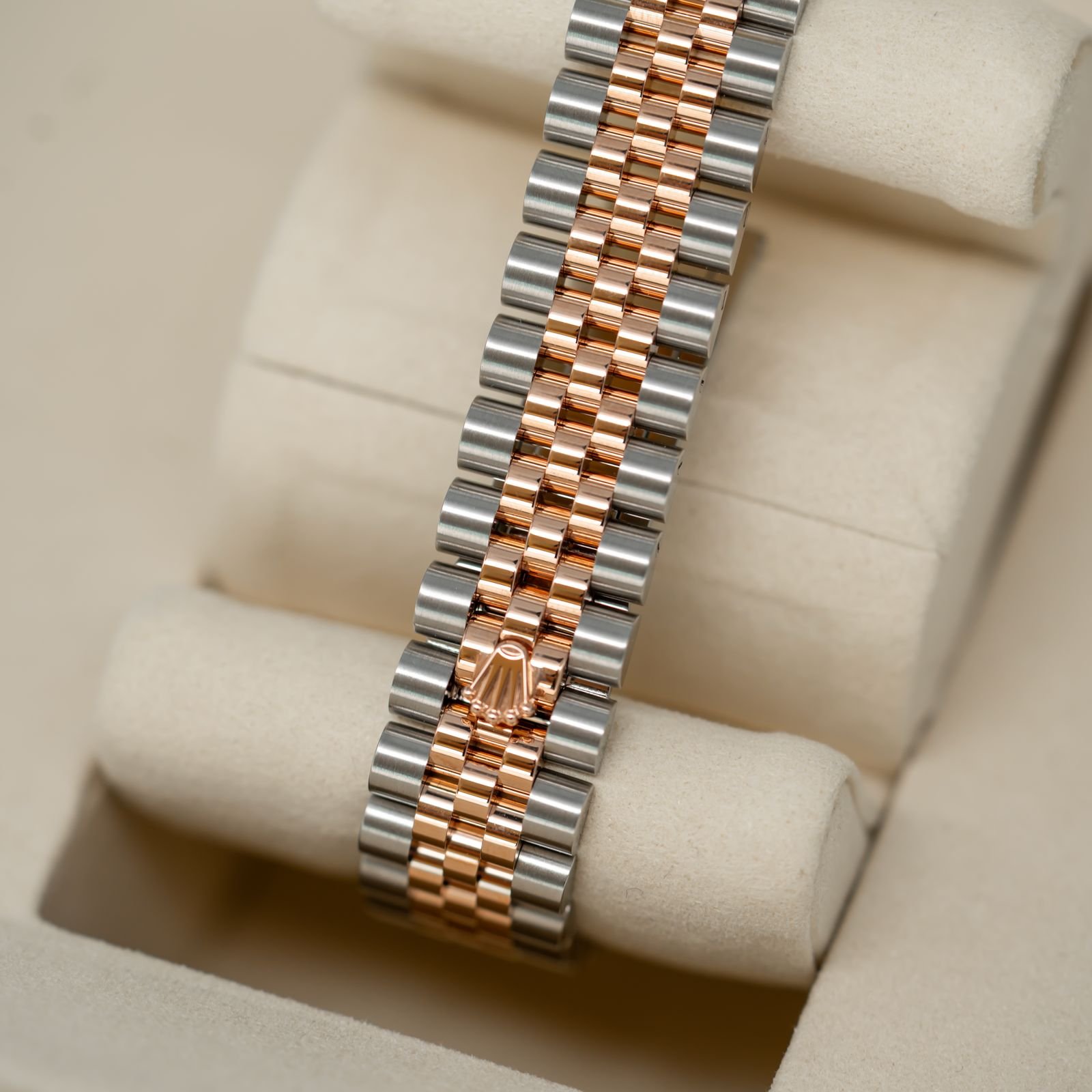
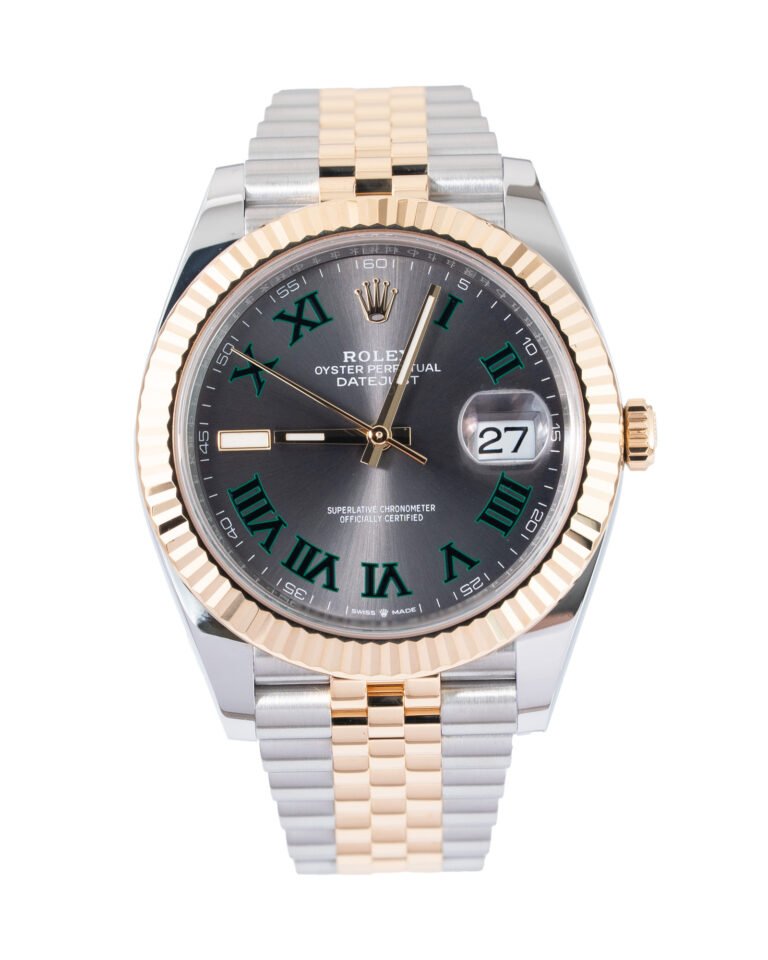
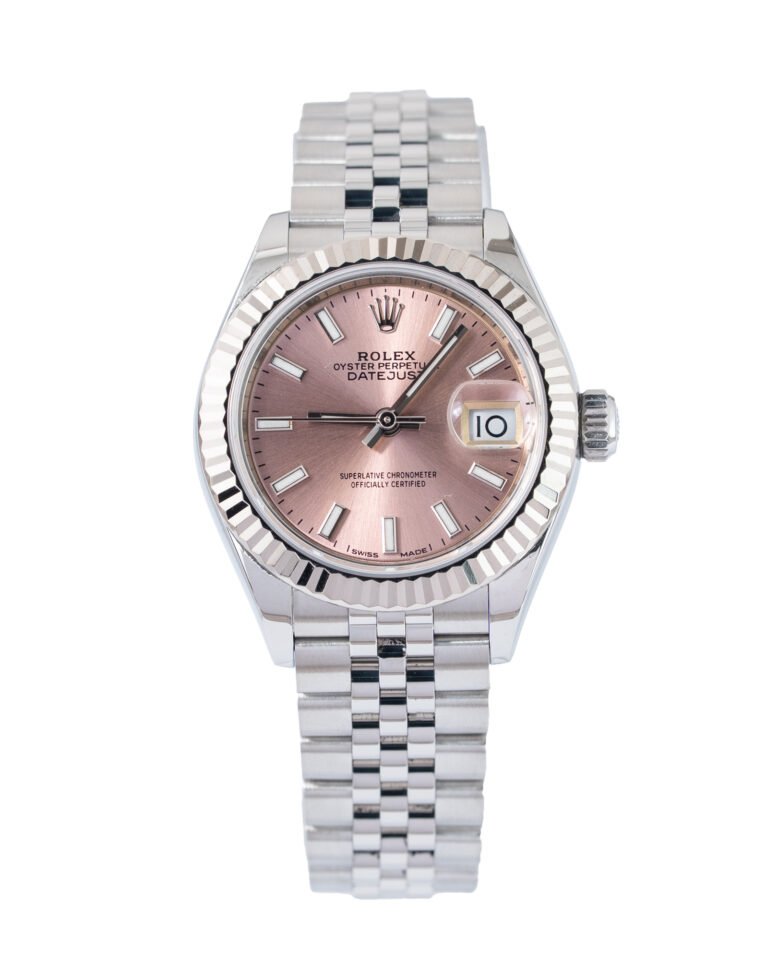
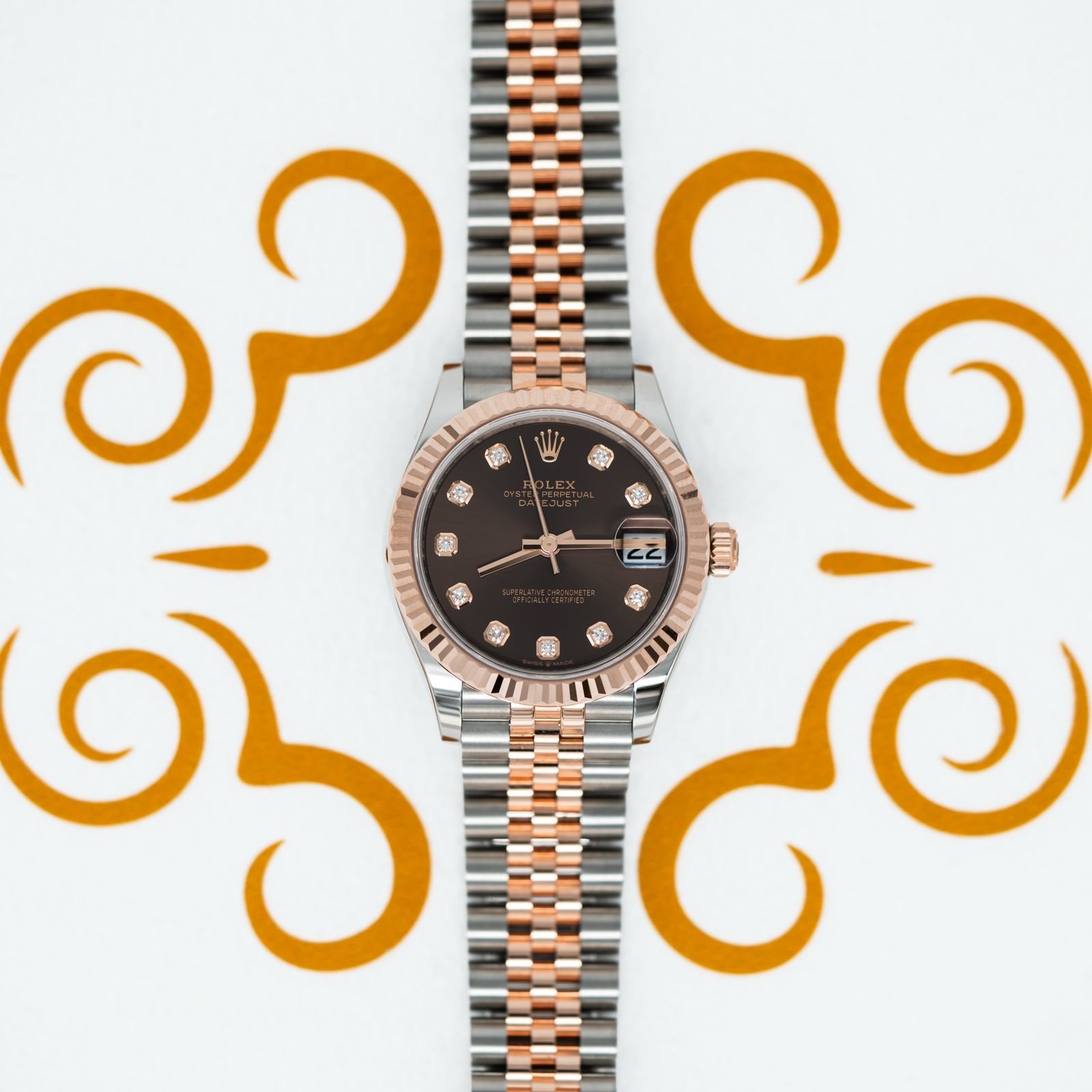
Every few months a particular Rolex configuration starts trending harder than the rest, and right now in the UAE that watch is reference 278271, the Datejust 31 in steel and Everose gold with the chocolate diamond dial on a Jubilee bracelet. We get asked about this exact combination often enough that it made sense to put together a proper guide covering what it actually is, where it comes from, and why getting your hands on a genuine one takes more effort than people assume.
A Quick Word on the Datejust Itself
Few watches in the world carry the kind of instant recognition that the Datejust has. First released in 1945, it was the watch that gave Rolex its date window at three o’clock, a small mechanical detail that ended up shaping how an entire industry thinks about everyday watch design. Decades later, the Datejust is still the reference most people point to when asked to picture a Rolex, more than any sports model, more than any limited edition.
Reference 278271 uses the 31 millimetre case, which sits in the middle of Rolex’s Datejust size range, larger than the smallest vintage inspired ladies models, smaller than the standard 36 or 41 millimetre men’s Datejust. It is a size that Rolex clearly designed with versatility in mind, substantial enough to feel like a serious watch, refined enough to sit comfortably on a smaller wrist.